Fruit Seeds
Explore Fruit Seeds for Gardens, Orchards, Containers, and Edible Landscapes
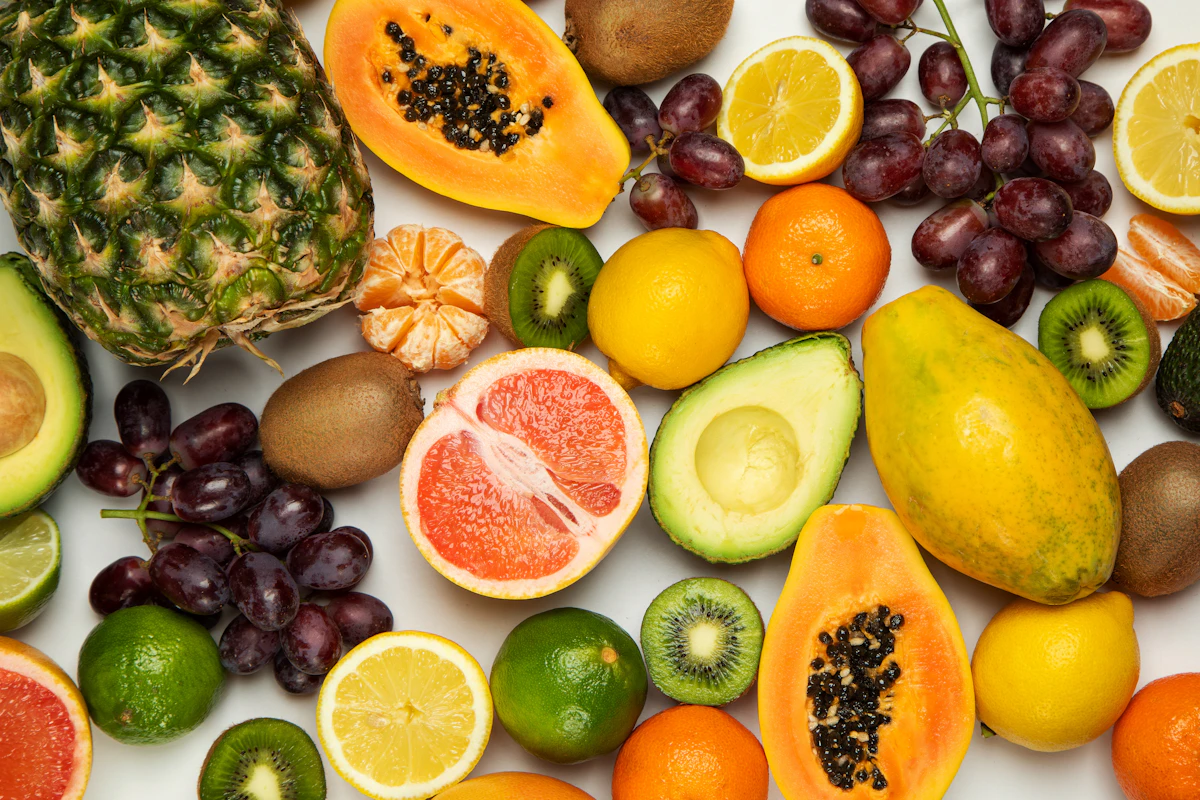
Browse fruit seeds by fruit type, growing style, climate preference, and garden use. Worldly Seeds helps gardeners explore common fruits, tropical fruits, citrus fruits, berries, melons, orchard fruits, and rare edible plants.
Seed Finder
Choose Your Fruit Seeds
Type the fruit seed category you are looking for, or click inside the search box to view the full menu of fruit seed types. Select a fruit, then click search to go directly to that fruit seed category page.
Fruit Garden Planning
How to Choose Fruit Seeds for Your Growing Space
Choosing fruit seeds starts with climate, space, patience, and purpose. Some fruit plants grow quickly and can fit into containers or small gardens, while others are long-term trees that need years of care before producing fruit.
Common orchard fruits such as apple, peach, pear, plum, cherry, apricot, fig, quince, persimmon, and pomegranate are often chosen for long-term edible landscapes. Tropical and subtropical fruits such as mango, guava, papaya, soursop, lychee, longan, rambutan, jackfruit, dragon fruit, passionfruit, and starfruit usually need warm conditions or protected growing spaces.
Citrus fruits such as lemon, lime, orange, mandarin, kumquat, grapefruit, yuzu, calamondin, clementine, satsuma, pomelo, and tangerine are especially useful for gardeners researching fruit trees, container growing, and warm-climate edible landscapes.

Fruit Seed Knowledge
Understand the Main Fruit Seed Groups
Fruit seeds are easier to browse when grouped by growing habit, climate needs, and garden purpose. Use these categories to plan edible landscapes, orchards, containers, and specialty fruit collections.
Orchard Fruits
Orchard fruits include apple, pear, peach, nectarine, apricot, plum, cherry, quince, fig, persimmon, pomegranate, and related fruit trees. These are often long-term choices for gardeners planning a permanent edible landscape.
Citrus Fruits
Citrus seed categories include orange, lemon, lime, grapefruit, mandarin, kumquat, calamondin, citron, yuzu, pomelo, satsuma, clementine, tangelo, tangor, rangpur, key lime, kaffir lime, and finger lime.
Tropical Fruits
Tropical fruit seeds include mango, papaya, guava, soursop, lychee, rambutan, longan, jackfruit, breadfruit, durian, mangosteen, dragon fruit, passionfruit, cacao, coconut, and many rare tropical fruits.
Berries and Small Fruits
Berries, strawberry, goumi, ground cherry, grape, seagrape, rose hips, phalsa, ximenia, and other small fruit categories can be useful for gardeners with limited space, edible borders, or specialty growing goals.
Melons and Vining Fruits
Melon, watermelon, honeydew melon, horned melon, xigua, passionfruit, grapes, dragon fruit, and several tropical vines need planning for space, trellising, warmth, and seasonal timing.
Rare and Specialty Fruits
Rare fruit categories such as abiu, achachairu, jabuticaba, lucuma, miracle fruit, salak, sapodilla, safou, pulasan, rollinia, soncoya, and yangmei are useful for collectors and adventurous growers.
Growing Strategy
Match Fruit Seeds to Climate, Space, and Patience
Start with climate
Tropical fruits usually need warm growing conditions, while many orchard fruits require seasonal temperature changes. Climate should guide fruit seed selection before anything else.
Know the difference between annual and long-term crops
Melons, watermelons, ground cherries, and some passionfruit can fit seasonal growing plans. Trees such as apple, mango, avocado, citrus, pear, and sapote require a longer timeline.
Plan for mature size
Fruit trees can become large. Gardeners should consider root space, canopy size, pruning needs, containers, and whether the plant fits the available growing area.
Think beyond the seed
Some fruit seeds do not grow true to the parent fruit. Seed-grown fruit plants are still useful for experimentation, rootstock, rare fruit growing, and long-term garden projects.
Seed Starting
Starting Fruit Seeds: Containers, Warmth, and Time
Many fruit seeds benefit from controlled starting conditions. Warmth, moisture, seed freshness, and patience can make a major difference.
Often Started in Containers
Mango, avocado, citrus, guava, papaya, passionfruit, dragon fruit, lychee, longan, jackfruit, cherimoya, soursop, sapote, cacao, coffee, and many tropical fruits are often started in pots.
Often Long-Term Trees
Apple, pear, peach, plum, cherry, fig, persimmon, pomegranate, citrus, mango, avocado, pecan, macadamia, sapodilla, breadfruit, jackfruit, and durian require longer planning.
Often Seasonal or Space-Friendly
Melon, watermelon, honeydew melon, ground cherry, strawberry, passionfruit, dragon fruit, berries, and some smaller fruiting plants can fit smaller or more seasonal garden plans.
Helpful Growing Notes
Fruit Seed Tips for Better Planning
Fruit seeds can be rewarding, but they need more planning than many annual garden crops. Think through climate, germination, fruiting time, pollination, and final plant size before choosing.
Check hardiness and heat needs
Apple, pear, peach, cherry, and many temperate fruits need different conditions than mango, guava, papaya, soursop, cacao, coconut, and other tropical fruits.
Expect variation from seed
Seed-grown fruit plants can vary from the parent fruit. This is part of why fruit seeds are useful for experimentation, rare fruit growing, and long-term projects.
Use containers for tender fruits
Gardeners in cooler climates may grow citrus, guava, dragon fruit, passionfruit, coffee, cacao, and other tender plants in containers for better protection.
Plan for pollination
Some fruiting plants need cross-pollination or multiple plants for better fruit set. This is especially important when planning orchard-style fruit growing.
Give trees enough time
Fruit trees may take years before producing. Long-term crops need patience, good soil, consistent care, and realistic expectations.
Start with useful fruits
Rare fruits are interesting, but practical fruits like apple, citrus, fig, strawberry, melon, grape, peach, guava, and passionfruit are often easier starting points.
Fruit Seed FAQ
Common Questions About Fruit Seeds
Use these answers as a practical starting point before browsing the fruit seed categories.
What fruit seeds are best for beginners?
Good beginner fruit seed categories often include melon, watermelon, strawberry, ground cherry, passionfruit, citrus, papaya, guava, fig, and pomegranate, depending on climate and growing space.
Can fruit trees be grown from seed?
Yes, many fruit trees can be grown from seed, but the fruit may not be identical to the parent fruit. Seed-grown fruit trees are useful for learning, experimentation, rootstock, and long-term edible landscapes.
Which fruit seeds are good for containers?
Citrus, fig, guava, dragon fruit, passionfruit, coffee, miracle fruit, calamondin, kumquat, papaya, and some dwarf or carefully pruned fruit plants can be considered for container growing.
Which fruit seeds are tropical?
Tropical and subtropical fruit seed categories include mango, guava, papaya, soursop, lychee, longan, rambutan, jackfruit, breadfruit, cacao, coconut, mangosteen, dragon fruit, and passionfruit.
How should fruit seeds be organized for a garden plan?
A practical approach is to group fruits by climate, mature size, container suitability, harvest use, and expected time to fruit. This helps prevent choosing plants that will not fit the available space or growing conditions.