Vegetable Seeds
Shop vegetable seeds for home gardens, raised beds, containers, seasonal planting, and backyard food growing.
Shop Vegetable Seeds by Type
Choose a vegetable seed category below and go directly to the seed page for that crop.
Amaranth Seeds
Leafy edible green for specialty gardens. Useful for cooking greens and unique plantings.
Buy Amaranth SeedsArtichoke Seeds
Long-season specialty crop for planned gardens. A strong choice for patient growers.
Buy Artichoke SeedsAsparagus Seeds
Perennial vegetable for long-term growing. Best for gardeners planning future harvests.
Buy Asparagus SeedsBean Seeds
Warm-season legumes for fresh harvests. Useful for raised beds and summer gardens.
Buy Bean SeedsBeet Seeds
Cool-season root crop with edible greens. Works well in loose garden soil.
Buy Beet SeedsBroccoli Seeds
Cool-season brassica for spring and fall gardens. A useful crop for fresh harvests.
Buy Broccoli SeedsBrussels Sprouts Seeds
Long-season brassica for cool-weather harvests. Best for careful timing and spacing.
Buy Brussels Sprouts SeedsBurdock Seeds
Specialty root crop for culinary use. Best grown in loose, deep garden soil.
Buy Burdock SeedsCabbage Seeds
Classic brassica for heads and storage. Works well in cool-season garden plans.
Buy Cabbage SeedsCardoon Seeds
Specialty vegetable related to artichoke. Adds height and structure to garden spaces.
Buy Cardoon SeedsCarrot Seeds
Popular root crop for prepared soil. Good for raised beds and cool-season planting.
Buy Carrot SeedsCauliflower Seeds
Cool-season brassica for careful growers. Best with steady timing and fertile soil.
Buy Cauliflower SeedsCeleriac Seeds
Root vegetable with celery-like flavor. A useful crop for patient cool-season growers.
Buy Celeriac SeedsCelery Seeds
Moisture-loving vegetable for planned gardens. Best with steady watering and rich soil.
Buy Celery SeedsChard Seeds
Productive leafy green with colorful stems. Useful for cooking and repeated harvests.
Buy Chard SeedsChinese Toon Seeds
Specialty edible leaf crop for unique gardens. A distinct choice for uncommon harvests.
Buy Chinese Toon SeedsCollard Seeds
Reliable leafy brassica for cooking greens. Fits spring, fall, and Southern gardens.
Buy Collard SeedsCorn Seeds
Warm-season crop that needs sunlight and space. Useful for larger summer gardens.
Buy Corn SeedsCorn Salad Mache Seeds
Cool-season salad green for mild harvests. Good for compact beds and early planting.
Buy Corn Salad Mache SeedsCucamelon Seeds
Small vining crop with cucumber-like use. A fun specialty choice for trellises.
Buy Cucamelon SeedsCucumber Seeds
Warm-season crop for slicing and pickling. Works well with trellises and garden beds.
Buy Cucumber SeedsEggplant Seeds
Heat-loving fruiting vegetable for summer gardens. Often started indoors before transplanting.
Buy Eggplant SeedsEndive Chicory Seeds
Leafy crop for bitter greens and salads. Useful for cool-season garden variety.
Buy Endive Chicory SeedsFennel Seeds
Aromatic bulb and leaf crop for culinary gardens. Useful for flavor-focused planting.
Buy Fennel SeedsGarlic Bulbs
Bulb crop for long-season garden planning. A useful choice for cooking and storage.
Buy Garlic BulbsGourd Seeds
Vining warm-season crop for ornamental use. Best for larger spaces and trellises.
Buy Gourd SeedsKale Seeds
Cold-tolerant leafy brassica for salads and cooking. Useful for spring and fall gardens.
Buy Kale SeedsKohlrabi Seeds
Cool-season brassica grown for swollen stems. Good for compact garden layouts.
Buy Kohlrabi SeedsLeek Seeds
Long-season allium for soups and savory cooking. Best with steady garden planning.
Buy Leek SeedsLettuce Seeds
Fast salad crop for succession planting. Good for raised beds and cooler weather.
Buy Lettuce SeedsMustard Seeds
Fast-growing leafy green with spicy flavor. Useful for quick cool-season harvests.
Buy Mustard SeedsOkra Seeds
Heat-loving summer crop for warm gardens. Best after soil and air temperatures rise.
Buy Okra SeedsOnion Seeds
Allium crop for bulbs and bunching onions. Useful for cooking and storage gardens.
Buy Onion SeedsOrach Seeds
Specialty leafy green sometimes used like spinach. Adds variety to salad gardens.
Buy Orach SeedsPak Choy Seeds
Cool-season Asian green for quick harvests. Works well in spring and fall gardens.
Buy Pak Choy SeedsParsnip Seeds
Long-season root crop with sweet flavor. Best for loose soil and cool weather.
Buy Parsnip SeedsPea Seeds
Cool-season legume for early gardens. Good for spring planting and trellised rows.
Buy Pea SeedsPepper Seeds
Warm-season fruiting crop for sweet and hot types. Often started indoors first.
Buy Pepper SeedsPerilla Shiso Seeds
Aromatic specialty leaf crop for culinary use. Good for unique flavor-focused gardens.
Buy Perilla Shiso SeedsPumpkin Seeds
Large vining crop for fall harvests. Best for full sun and open growing space.
Buy Pumpkin SeedsPurslane Seeds
Heat-tolerant specialty green with succulent leaves. Useful for warm-season edible gardens.
Buy Purslane SeedsRadicchio Seeds
Chicory-type crop for colorful heads. Adds bitter greens to cool-season gardens.
Buy Radicchio SeedsRadish Seeds
Fast root crop for quick garden results. A strong choice for short planting windows.
Buy Radish SeedsRhubarb Seeds
Long-term perennial crop for stalk harvests. Best for gardeners planning future beds.
Buy Rhubarb SeedsRoselle Seeds
Warm-season specialty crop for calyces and leaves. Adds variety to edible gardens.
Buy Roselle SeedsRutabaga Seeds
Cool-season storage root in the brassica family. Useful for fall and winter harvest plans.
Buy Rutabaga SeedsSpinach Seeds
Classic cool-season green for salads and cooking. Good for spring and fall planting.
Buy Spinach SeedsSquash Seeds
Warm-season crop for summer and winter types. Best for sunny beds with room to grow.
Buy Squash SeedsTomato Seeds
Popular warm-season fruiting crop for home gardens. A staple for summer growing.
Buy Tomato SeedsTomatillo Seeds
Husked fruiting crop for salsa and sauces. Grows well in warm-season gardens.
Buy Tomatillo SeedsTurnip Seeds
Cool-season crop grown for roots and greens. Useful for spring and fall harvests.
Buy Turnip SeedsZucchini Seeds
Productive summer squash for warm-season gardens. A strong choice for frequent harvests.
Buy Zucchini Seeds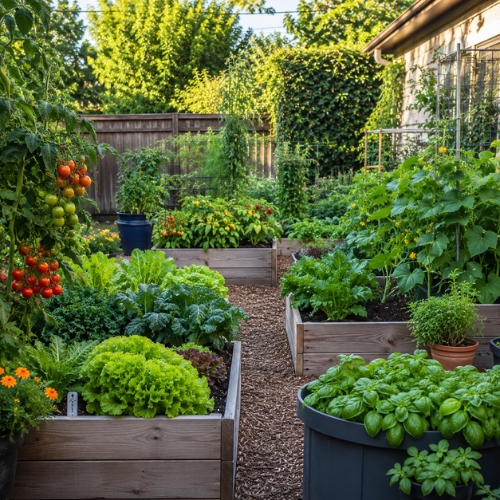
How to Choose Vegetable Seeds for Your Garden
Start with the conditions you already have. Sunlight, garden size, soil texture, planting season, and harvest timing should guide the seeds you choose.
Warm-Season Vegetable Seeds
Tomatoes, peppers, cucumbers, squash, zucchini, pumpkins, corn, okra, eggplant, beans, and tomatillos usually need warm soil and strong sunlight.
Cool-Season Vegetable Seeds
Lettuce, spinach, kale, cabbage, broccoli, cauliflower, peas, radishes, carrots, beets, turnips, mustard, collards, and pak choy often fit spring or fall gardens.
Root Crop Vegetable Seeds
Carrots, beets, radishes, turnips, rutabaga, parsnips, burdock, celeriac, and onions need loose soil that allows roots to develop cleanly.
Leafy Green Vegetable Seeds
Lettuce, spinach, kale, chard, mustard, collards, endive, radicchio, pak choy, orach, purslane, and corn salad are useful for salads and cooking greens.