Tomato Seeds
Tomato Seeds for Cherry, Paste, Salad, Slicing, Container, and Heirloom Gardens
Tomato seeds give home gardeners a wide range of choices, from compact cherry tomatoes and container plants to paste tomatoes, salad tomatoes, beefsteak slicers, colorful heirlooms, and sauce-making varieties. Use this page to compare tomato seed types, learn how to grow tomatoes from seed, and find the right tomato plants for your garden space.
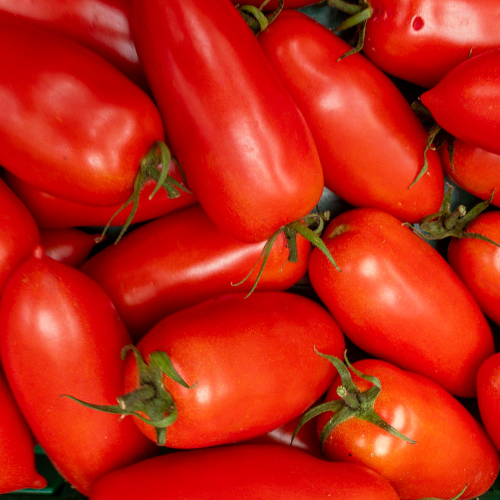
Tomato Seed Finder
Choose a Tomato Seed Type
Search or select a tomato variety below. Once selected, an informational card will appear with the tomato type, likely garden use, growing notes, and practical planting guidance.
Search Tomato Seeds
Click the box to browse the tomato list, or start typing to narrow the choices.
Please choose a tomato seed type from the list or type a valid tomato variety.
Select a tomato seed type to view its growing card.
Where to Buy
Shop Tomato Seeds from Mountain Valley Seed Co.
All tomato seeds mentioned on this page can be found at the Mountain Valley Seed Co. store on Amazon.
Tomato seed listings may include cherry tomatoes, paste tomatoes, slicing tomatoes, salad tomatoes, container tomatoes, heirloom tomatoes, hybrid tomatoes, determinate tomatoes, and indeterminate tomatoes. Review each listing carefully before ordering so the seed choice matches your garden size, support system, growing season, and harvest goal.
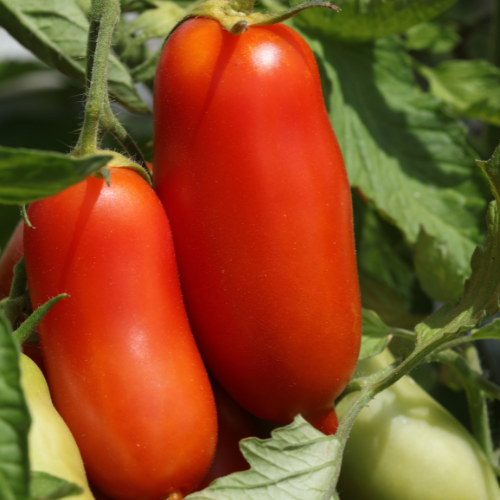
Tomato Seed Options
Tomato Seeds
Browse tomato seed options for fresh eating, slicing, salads, sauces, paste, cherry harvests, containers, raised beds, and backyard gardens.
Shop Mountain Valley Seed Co.Featured Tomato Seeds
Popular Tomato Seed Types to Compare
Tomato seeds can be selected by kitchen use, plant size, fruit color, flavor profile, and growing space. These examples show several common tomato seed directions gardeners often compare.
Paste Tomato
San Marzano Tomato Seeds
Useful for sauce, paste, canning, roasting, and Italian-style tomato recipes.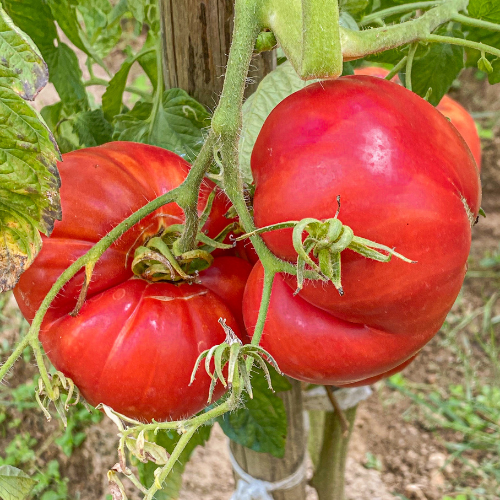
Slicing Tomato
Beefsteak Tomato Seeds
Large slicing tomatoes for sandwiches, burgers, fresh plates, and summer harvests.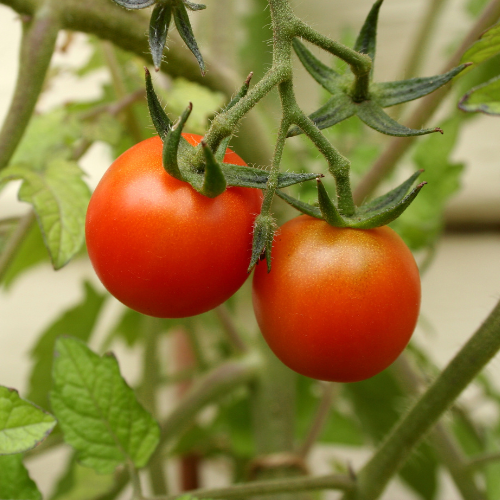
Container Tomato
Tiny Tim Tomato Seeds
Compact tomato plants for patios, containers, small gardens, and limited growing spaces.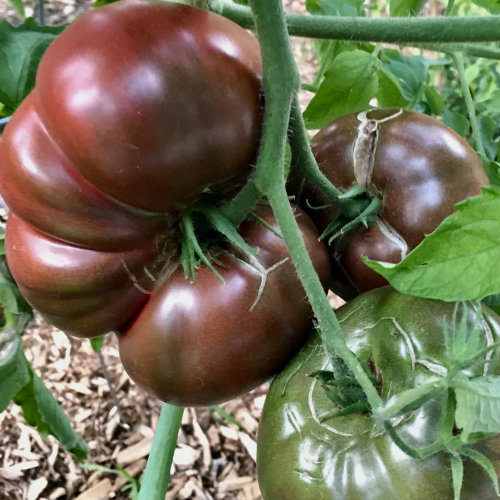
Heirloom Tomato
Cherokee Purple Tomato Seeds
Heirloom slicing tomatoes known for darker fruit color and fresh-eating garden use.Tomato Seed Types
Main Types of Tomato Seeds
Tomato seeds are easier to choose when grouped by fruit size, garden use, plant habit, and harvest purpose.
Cherry Tomatoes
Cherry tomato seeds are grown for small, snack-size fruits. They are popular for fresh eating, salads, patio gardens, and steady summer harvests.
Paste Tomatoes
Paste tomato seeds are chosen for sauce, salsa, canning, roasting, and cooking. These tomatoes usually have meatier flesh and less juice than large slicing tomatoes.
Salad Tomatoes
Salad tomatoes are useful for fresh eating, garden salads, sandwiches, and smaller harvests. They often sit between cherry tomatoes and large slicers in size.
Slicing Tomatoes
Slicing tomato seeds produce larger fruits for sandwiches, fresh plates, burgers, and general kitchen use. Many beefsteak and heirloom varieties fall into this group.
Container Tomatoes
Container tomato varieties are selected for compact growth. They are useful for patios, balconies, small gardens, raised beds, and gardeners with limited space.
Heirloom Tomatoes
Heirloom tomato seeds are often grown for flavor, color, history, and variety diversity. Many need strong support and careful garden management.
Growing Instructions
How to Grow Tomato Seeds
Start seeds indoors before planting season
Tomato seeds are usually started indoors about 6 to 8 weeks before the last expected spring frost. This gives seedlings time to develop before outdoor transplanting.
Plant seeds shallowly
Sow tomato seeds about 1/4 inch deep in seed-starting mix. Keep the mix evenly moist and warm until germination.
Give seedlings strong light
Tomato seedlings need bright light to grow sturdy. Grow lights help prevent weak, stretched seedlings, especially when starting seeds indoors.
Transplant after frost danger has passed
Tomatoes are warm-season plants. Move them outdoors only after nights are reliably mild and the risk of frost has passed.
Plant deeply for stronger roots
Tomato stems can root along buried sections. When transplanting, plant seedlings deeper than they were in the tray to encourage a stronger root system.
Support plants early
Use stakes, cages, or trellises before plants become heavy. Indeterminate tomatoes especially need support throughout the season.
Small Garden Tomato Tip
In a small garden, choose tomato varieties by purpose. Grow one cherry tomato for steady snacking, one paste tomato for sauce, and one slicing tomato for sandwiches instead of planting too many similar types.
Tomato Plant Care
Spacing, Watering, Soil, Support, and Harvesting
Good tomato harvests come from steady care. The most important factors are sun, soil, spacing, water, and support.
Sunlight
Tomatoes grow best in full sun. Aim for at least 6 to 8 hours of direct sunlight per day for strong growth and better fruit production.
Spacing
Compact tomatoes can be planted closer together, while large indeterminate and beefsteak types need more room for airflow, support, and harvest access.
Watering
Water deeply and consistently. Uneven watering can stress plants and may contribute to fruit cracking or blossom-end problems.
Soil
Tomatoes prefer fertile, well-drained soil with organic matter. Compost can improve soil structure and support steady growth.
Support
Use tomato cages, stakes, or trellises. Supporting plants keeps fruit off the ground and helps improve airflow around the foliage.
Harvesting
Harvest tomatoes when they reach full color and feel slightly firm. Some varieties can also finish ripening indoors after color begins to break.
Common Growing Questions
Common Tomato Seed and Plant Problems
Most tomato problems come from weak seedlings, cold planting, poor airflow, inconsistent watering, or a lack of plant support.
Leggy seedlings
Tomato seedlings stretch when they do not get enough light. Move lights closer to seedlings or use stronger grow lights.
Slow germination
Tomato seeds germinate best in warm conditions. Cold seed-starting mix can slow or reduce sprouting.
Fruit cracking
Cracking is often related to uneven watering. Keep soil moisture consistent, especially once fruit begins to develop.
Poor airflow
Crowded tomato plants can develop more disease pressure. Give plants enough spacing and prune selectively when needed.
Tomato Seed FAQ
Frequently Asked Questions About Tomato Seeds
These answers cover common questions gardeners ask before starting tomato seeds.
Are tomatoes easy to grow from seed?
Yes, tomatoes are usually easy to grow from seed when started indoors with warmth, steady moisture, and strong light. Seedlings should be transplanted outdoors only after frost danger has passed.
When should tomato seeds be started indoors?
Tomato seeds are commonly started indoors about 6 to 8 weeks before the last expected spring frost. This timing gives plants a strong start before outdoor planting.
How deep should tomato seeds be planted?
Tomato seeds are usually planted about 1/4 inch deep in seed-starting mix. Keep the mix moist but not soggy.
What tomato seeds are best for small gardens?
Compact, patio, dwarf, determinate, and cherry tomato varieties are often good choices for small gardens. Container tomato types can also work well in pots and raised beds.
What is the difference between determinate and indeterminate tomatoes?
Determinate tomatoes usually grow to a more limited size and produce a concentrated harvest. Indeterminate tomatoes keep growing and producing over a longer season when supported properly.
Which tomatoes are best for sauce?
Paste tomatoes such as Roma, San Marzano, Rio Grande, and other meatier types are commonly selected for sauce, paste, salsa, canning, and roasting.