

Kentucky Dreamer Seeds
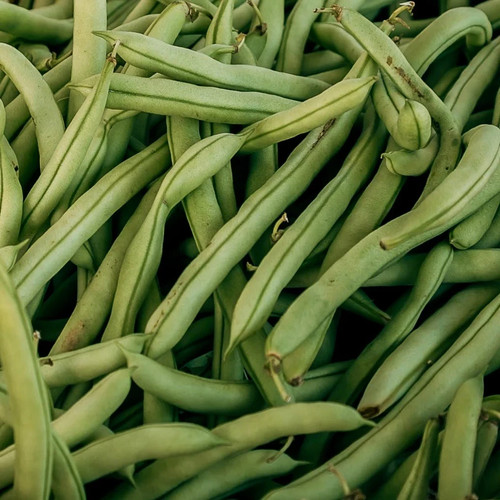
Kentucky Dreamer is identified as Phaseolus vulgaris in the Fabaceae family. Common beans are frost-sensitive annual legumes. Plants have compound leaves and grow as compact bushes or climbing vines. Pea-like flowers develop into elongated pods containing seeds. Full sun and warm soil favor emergence and flowering.
Where to Buy
We may earn a commission when you purchase through our links. As an Amazon Associate, we earn from qualifying purchases.
Important Growing Information
- Scientific Name
- Phaseolus vulgaris
- Plant Family
- Fabaceae
- Life Cycle
- Annual crop
- Sunlight
- Full sun (6+ hours per day)
- Growing Season
- Warm season for most common beans
- Planting Method
- Direct sow
- When to Plant
- Sow once frost danger passes and soil warms
- Planting Depth
- 1–1.5" (2.54–3.81 cm) for common snap beans
- Germination Temperature
- about 80°F for common snap beans
- Germination Time
- 6–14 days for common snap beans
- Plant Spacing
- 6" (15.24 cm) or 4" (10.16 cm) by 12" (30.48 cm) for common snap beans
- Soil Type
- Fertile, well-drained garden soil
- Watering
- Moderate; avoid drought stress during establishment and fruiting
- Days to Maturity
- About 60 days for common snap beans; type-dependent
- Seed Preparation
- No special pretreatment normally required for standard vegetable seed
- Cold Stratification
- Not typically required
- Scarification
- Not typically required
- Harvest Season
- Summer or fall after frost-free growing period
Growing Instructions
- For Kentucky Dreamer, direct sow common bean seed about 1–1 1/2" (2.54–3.81 cm) deep once frost danger passes and the soil is warm.
- Space seeds in a sunny, well-drained bed and keep moist through sprouting; bean roots are easily disturbed by transplanting.
- Maintain a weed-free bed and thin seedlings to prevent crowding.
- Avoid excessive nitrogen feeding, which can encourage leaves instead of pods.
- Water during flowering and pod set, and pick edible pods frequently while they are tender.
Growing conditions vary by climate and seed lot. Follow seller-specific planting instructions where available.
Related Bean Seeds
Compare additional varieties in the same seed category.