

Red Ball Brussel Sprout Seeds
Red Ball Brussel Sprout is identified as Brassica oleracea in the Brassicaceae family. Brassicas are cool-season vegetables grown as annual or biennial crops. Plants usually form basal foliage before producing upright flower stalks. Four-petaled flowers develop into elongated pods that contain seeds. Cool weather is generally preferred for leafy heads and edible stems.
Where to Buy
We may earn a commission when you purchase through our links. As an Amazon Associate, we earn from qualifying purchases.
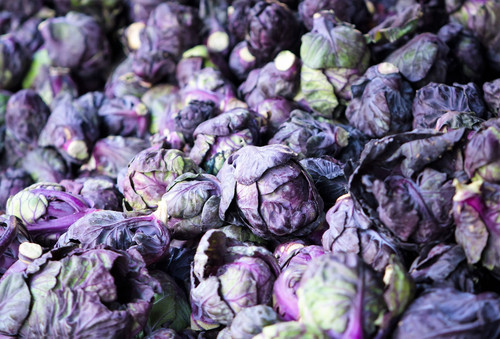
Important Growing Information
- Scientific Name
- Brassica oleracea
- Plant Family
- Brassicaceae
- Life Cycle
- Annual crop
- Sunlight
- Full sun; partial shade may help in hot weather
- Growing Season
- Cool season
- Planting Method
- Start indoors; transplant
- When to Plant
- Grow through cool fall weather for best harvests
- Planting Depth
- 1/4–1/2" (0.64–1.27 cm)
- Germination Temperature
- 65–70°F
- Germination Time
- 5–8 days
- Soil Type
- Fertile, well-drained garden soil
- Watering
- Moderate; maintain consistent moisture during crop growth
- Days to Maturity
- Long cool-season crop; cultivar-dependent
- Seed Preparation
- No special pretreatment normally required for standard vegetable seed
- Cold Stratification
- Not typically required
- Scarification
- Not typically required
Growing Instructions
- Sow red ball brussel sprout seed 1/4–1/2" (0.64–1.27 cm) deep in a fine, prepared and premoistened garden bed or suitable starting tray.
- Keep the germination medium near 65 to 70°F; seedlings ordinarily emerge in 5 to 8 days under suitable conditions.
- Start transplants for a fall harvest; the plants need a long cool season to develop sprouts along the stalk.
- Provide around 18–24" (45.72–60.96 cm) between plants.
- Water regularly and remove lower yellowing leaves.
- Harvest firm sprouts from the base upward as they reach usable size.
Growing conditions vary by climate and seed lot. Follow seller-specific planting instructions where available.
Related Brussels Sprout Seeds
Compare additional varieties in the same seed category.